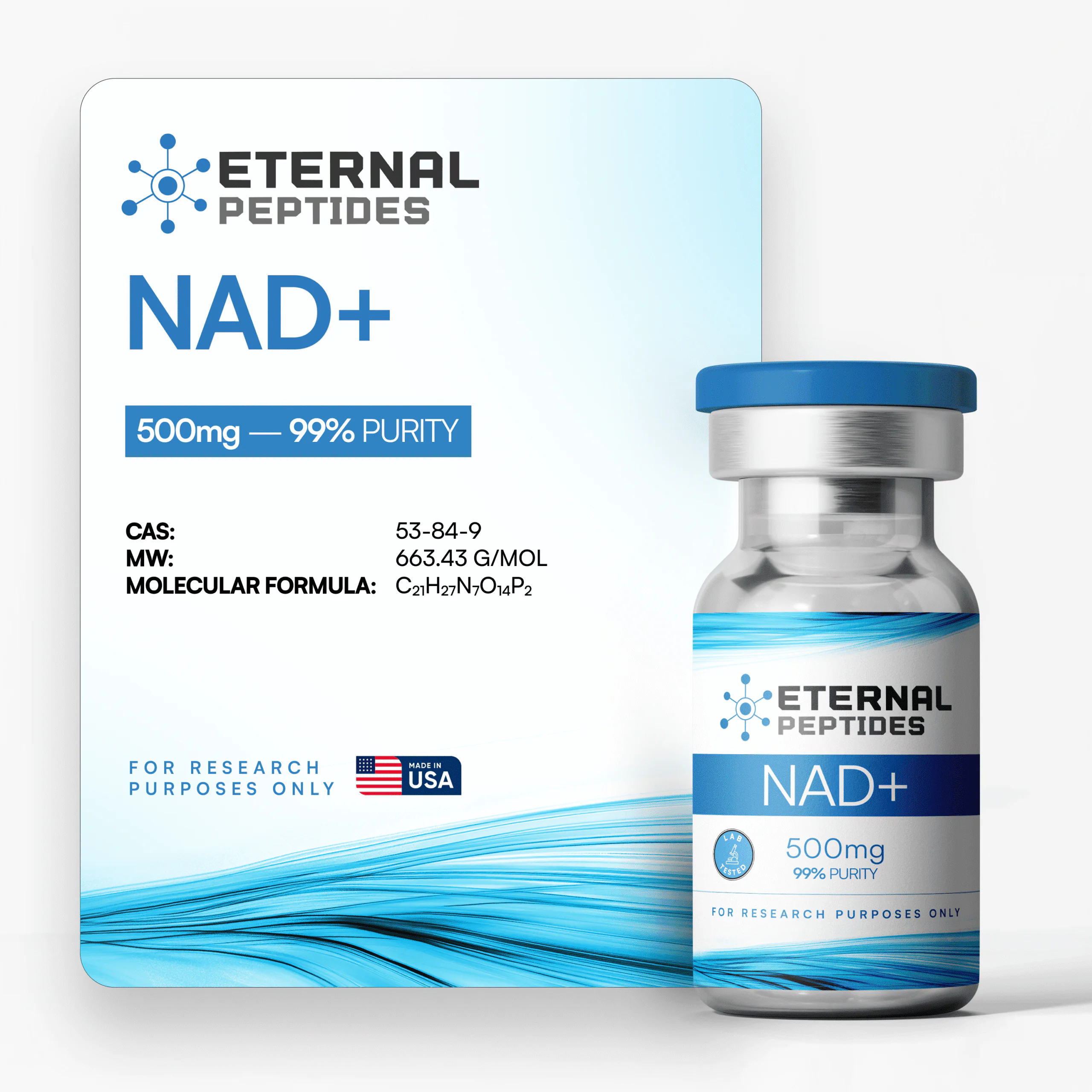
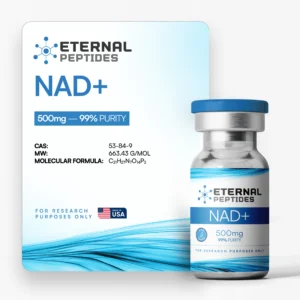
NAD+ (500mg)
$75.00 Original price was: $75.00.$69.99Current price is: $69.99.
Discount per Quantity
| Quantity | Discount | Price |
|---|---|---|
| 5 – 10 | 5% | $66.49 |
| 11 – 20 | 10% | $62.99 |
| 21+ | 15% | $59.49 |
Guaranteed
Ordering
Tested
Tracking
Commitment
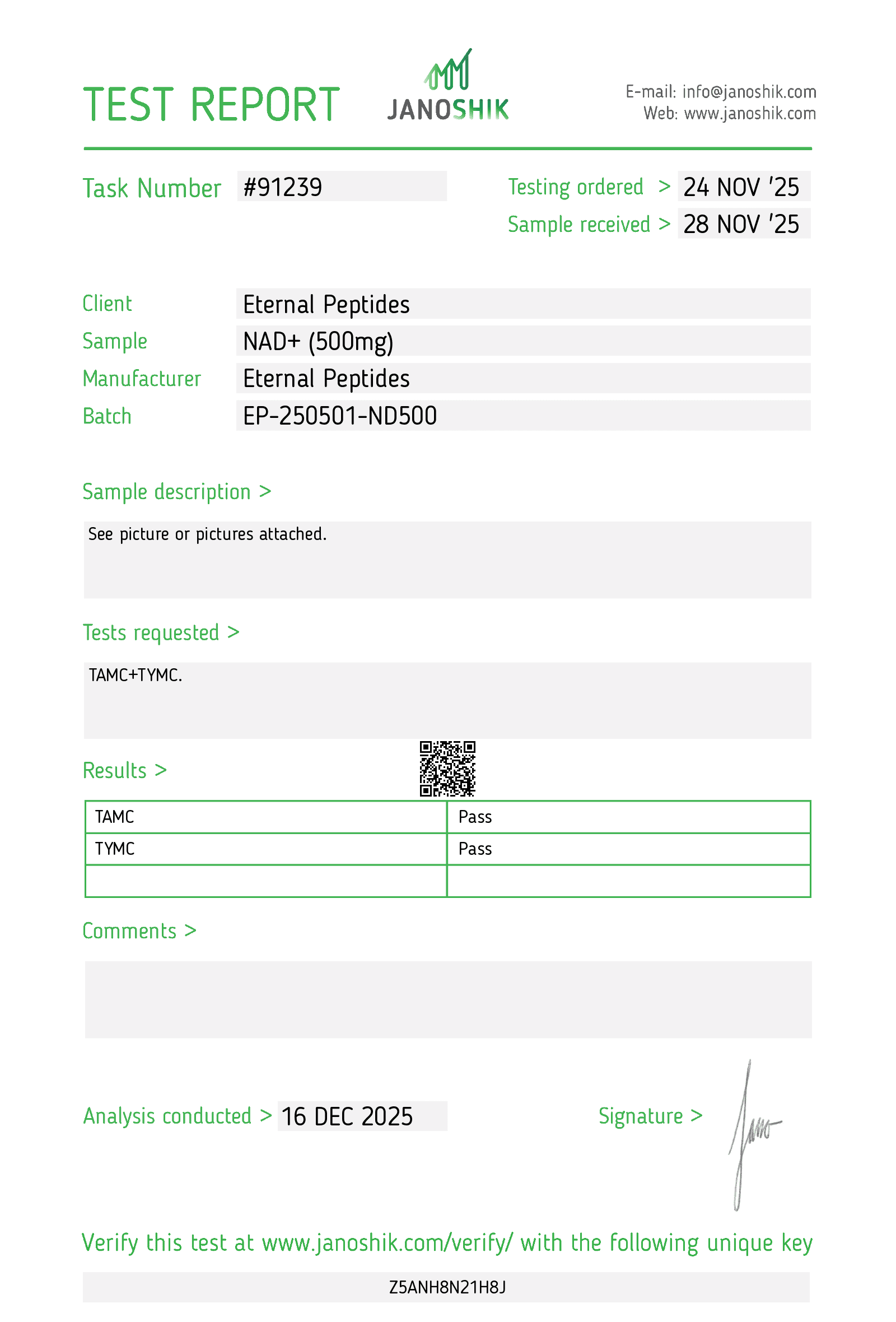
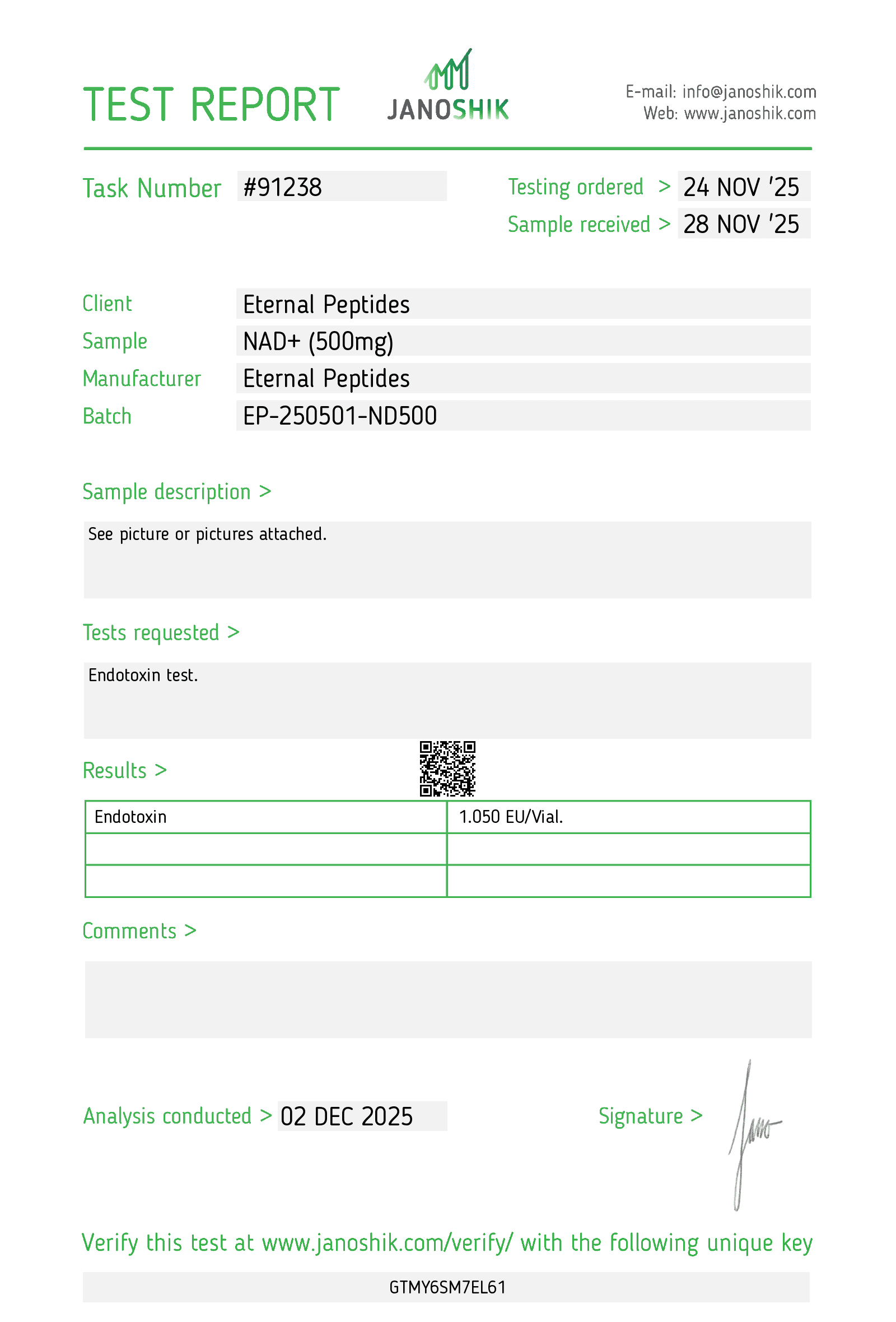
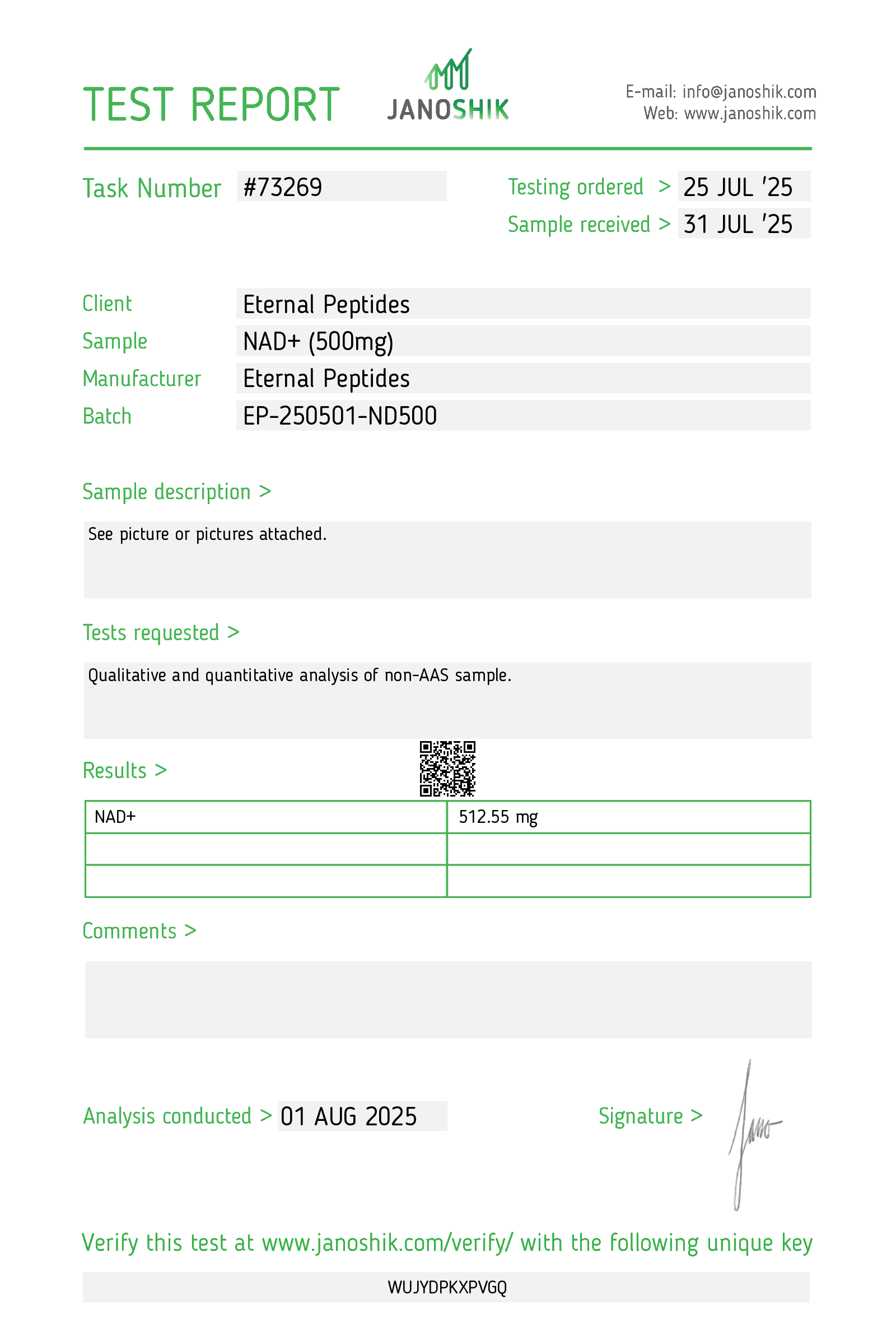
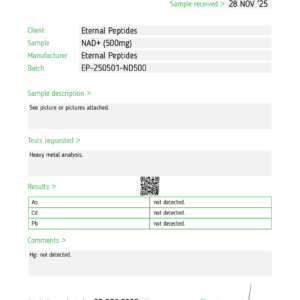
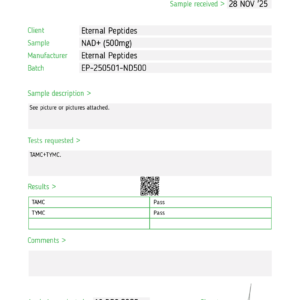
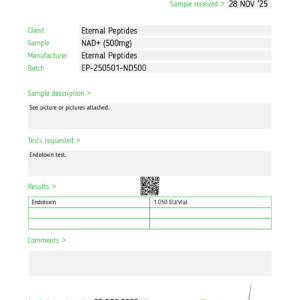
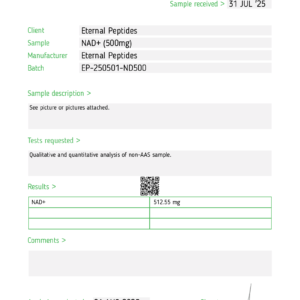
Rigorous Third-Party Testing
Every batch of our research chemicals and peptides undergoes
third-party testing.
*Disclaimer: This product is intended solely for laboratory research purposes. It is not suitable for consumption by humans, nor for medical, veterinary, or household purposes. Kindly review our Terms & Conditions before making a purchase.

Always quality-tested, verified with third-party COAs
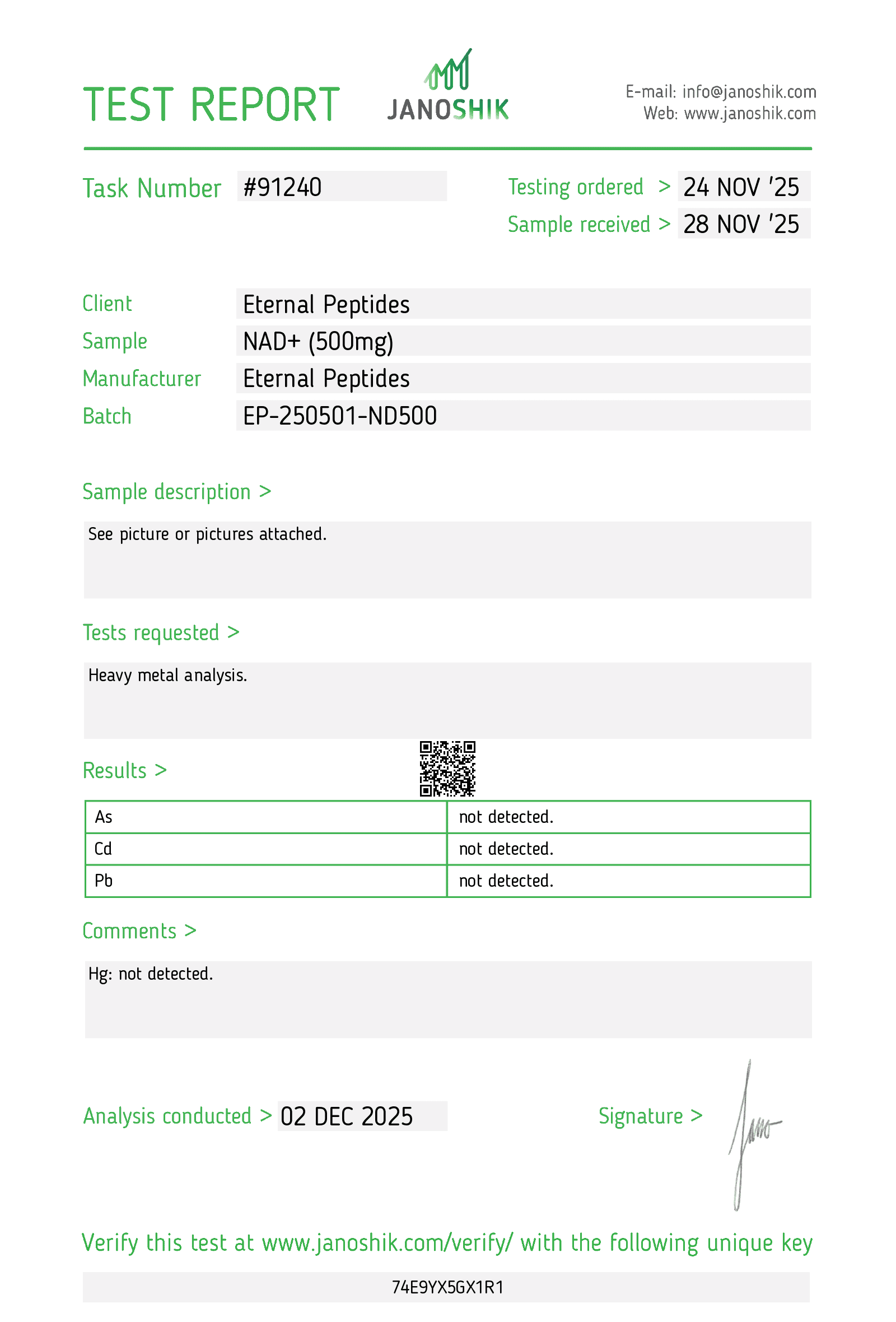
At every step, we prioritize quality by conducting rigorous third-party testing on all our products. These tests focus on five key characteristics- identity, purity, sterility, and endotoxin levels, and heavy metal content-ensuring that each product meets the highest standards of quality with independent third-party Certificates of Analysis (COAS) to verify our commitment to excellence.
Shop high-purity NAD⁺ 500mg from Eternal Peptides, a trusted U.S. source for verified research compounds. This essential coenzyme is manufactured to a purity standard of ≥99%, with every batch independently tested and certified by Janoshik Analytical. NAD⁺ is widely used in research focused on mitochondrial function, sirtuin activation, and cellular energy metabolism. Order today for fast, secure U.S. shipping and free Priority delivery on orders over $200.
What Is NAD⁺?
Nicotinamide adenine dinucleotide (NAD⁺) is a naturally occurring dinucleotide coenzyme composed of two nucleotides linked through phosphate groups. Unlike peptides, NAD⁺ is a small non-protein molecule derived from niacin (vitamin B3) and is present in all living cells. It exists in two forms: oxidized (NAD⁺) and reduced (NADH), allowing it to function as a key electron carrier in cellular metabolism.
In scientific literature, NAD⁺ is primarily studied for its role in energy metabolism, redox balance, and enzymatic regulation. Research often focuses on its involvement in mitochondrial function, cellular stress responses, and age-related metabolic changes.
Most mechanistic insights come from in vitro and animal studies, where NAD⁺ levels are manipulated to observe downstream biochemical effects. In these models, NAD⁺ functions as a required cofactor for oxidoreductase enzymes and as a substrate for regulatory enzymes such as sirtuins and PARPs, linking metabolism with gene expression and cellular repair processes.
Controlled human clinical evidence remains limited, so current findings should be interpreted strictly within a preclinical research framework.
How NAD⁺ Works (Mechanism of Action)
NAD⁺ is a central metabolic cofactor involved in multiple biological pathways, including energy production, cellular stress response, and enzymatic regulation. Current understanding is largely based on cell and animal studies, where NAD⁺ influences several interconnected systems rather than a single pathway.
Cellular Energy Metabolism and Redox Balance
NAD⁺ plays a fundamental role in cellular energy metabolism by acting as an electron carrier in redox reactions. It is essential for glycolysis, the tricarboxylic acid (TCA) cycle, and oxidative phosphorylation, where it cycles between NAD⁺ and NADH to support ATP production.
When NAD⁺ levels decrease, cellular metabolic efficiency and mitochondrial activity are reduced. In research settings, this relationship is important because energy availability directly affects how cells respond to stress, damage, or increased demand.
Experimental models often adjust NAD⁺ levels to study how metabolic capacity influences survival and recovery under stress conditions.
Regulation of Sirtuin Signaling Pathways
NAD⁺ is a required substrate for sirtuins, a family of NAD⁺-dependent enzymes involved in gene regulation, mitochondrial biogenesis, and stress adaptation. Preclinical studies show that increased NAD⁺ availability can enhance sirtuin activity, influencing chromatin structure, transcription, and metabolic signaling.
Researchers study this pathway to understand how cells adapt to stressors such as oxidative damage or nutrient limitation. In simple terms, NAD⁺ helps activate regulatory systems that allow cells to adjust to changing conditions.
DNA Repair and PARP Activity
NAD⁺ is also a substrate for poly(ADP-ribose) polymerases (PARPs), enzymes activated in response to DNA damage. PARPs consume NAD⁺ to coordinate DNA repair and maintain genomic stability.
Low NAD⁺ levels can limit repair capacity, while sufficient levels support efficient repair signaling. This mechanism is frequently studied in models of aging, environmental stress, and toxin exposure, highlighting the link between metabolism and genome maintenance.
Mitochondrial Function and Stress Response
NAD⁺ availability supports mitochondrial function by maintaining metabolic flux, antioxidant defenses, and quality control signaling. Reduced NAD⁺ levels have been associated with mitochondrial dysfunction and increased oxidative stress in preclinical models.
Researchers use this relationship to study cellular resilience under stress. In essence, NAD⁺ helps cells manage energy demands and oxidative balance, making it a key focus in metabolic and aging-related research models.