
GHK-Cu
$54.99 – $79.99Price range: $54.99 through $79.99
Discount per Quantity
| Quantity | Discount | Price |
|---|---|---|
| 5 – 10 | 5% | $52.24 |
| 11 – 20 | 10% | $49.49 |
| 21+ | 15% | $46.74 |
Guaranteed
Ordering
Tested
Tracking
Commitment
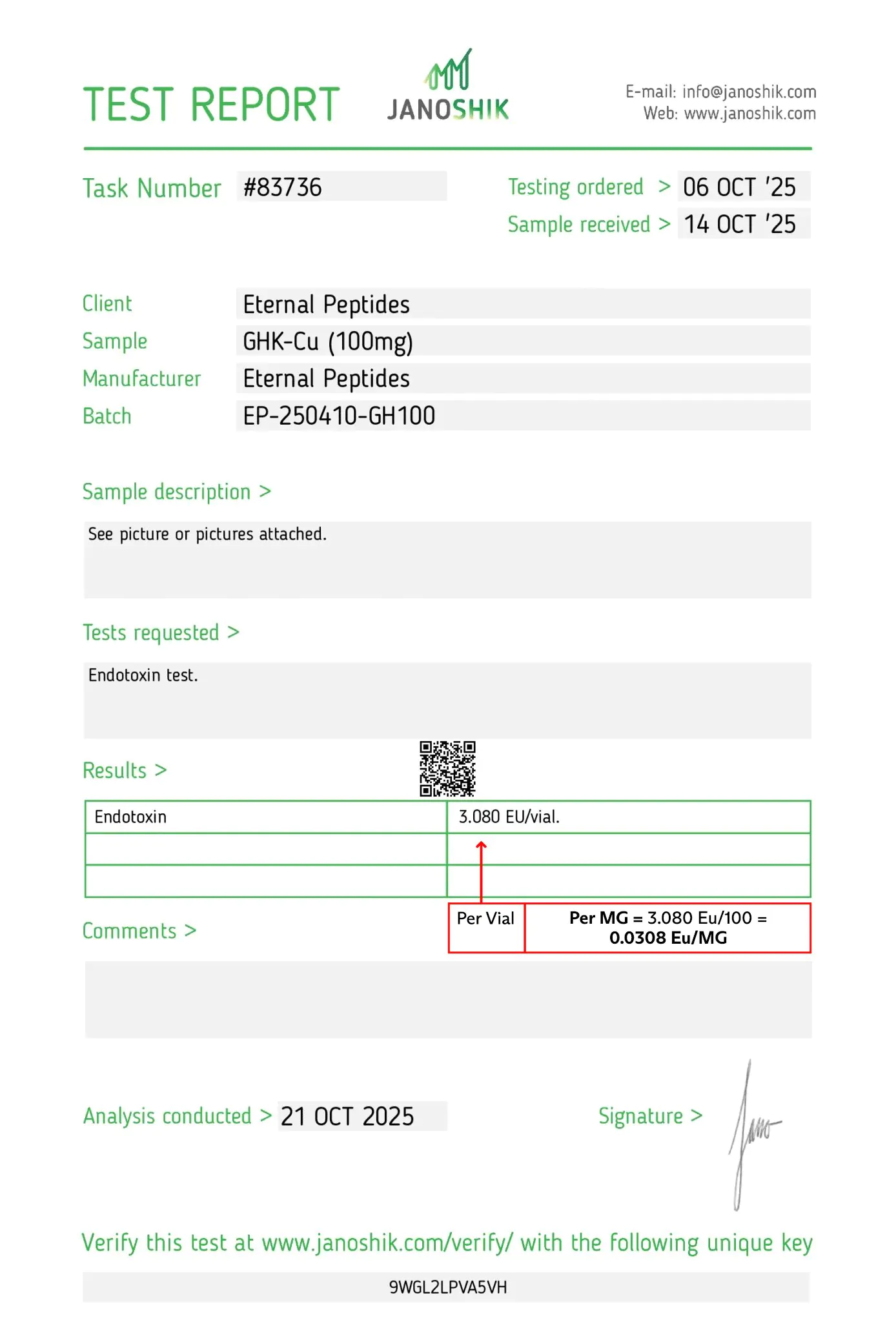
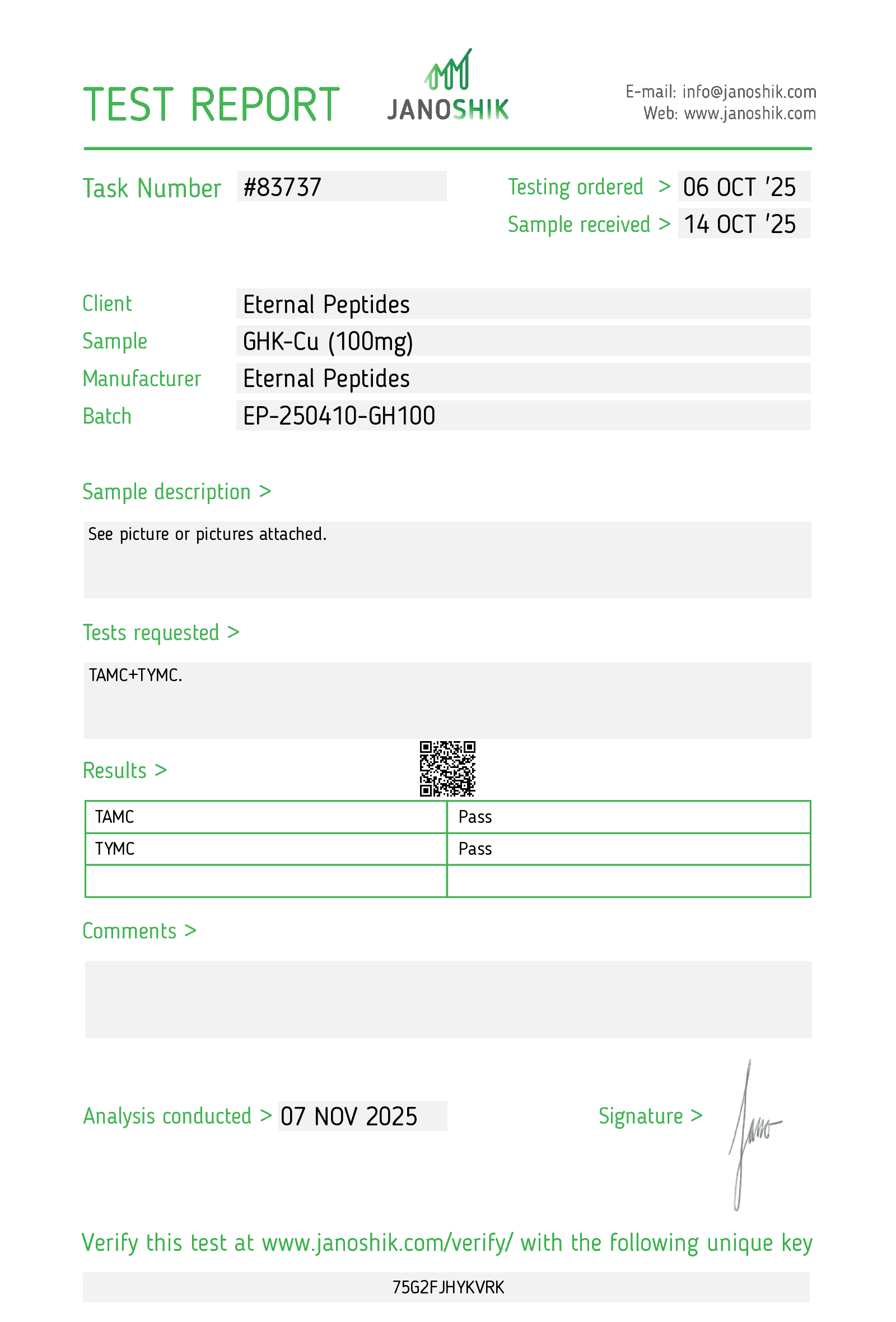
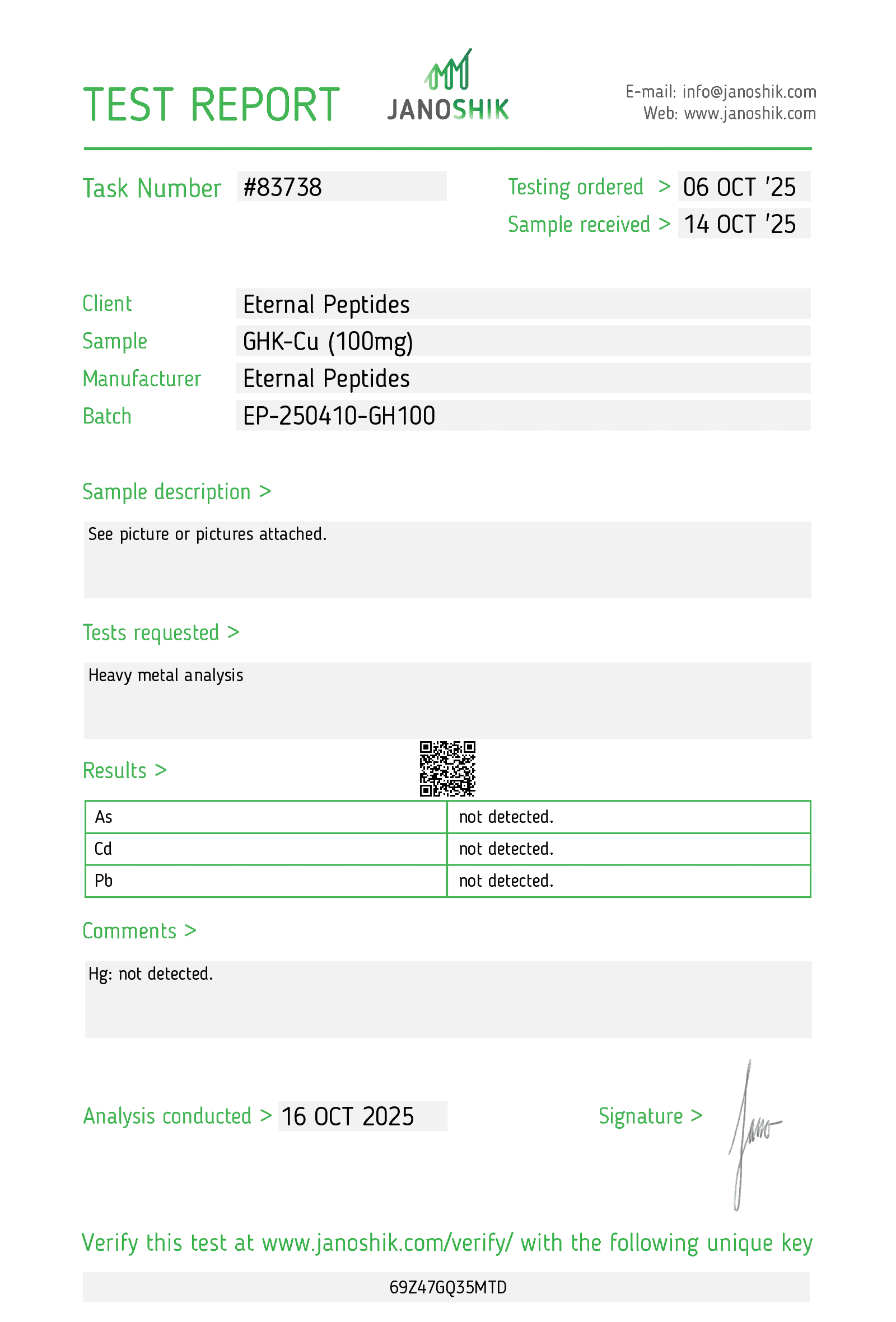
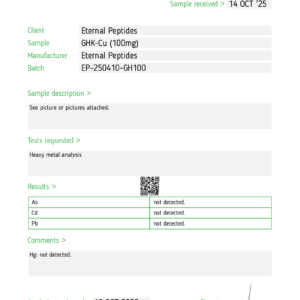
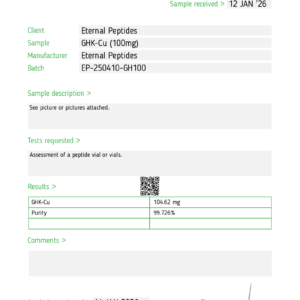
Rigorous Third-Party Testing
Every batch of our research chemicals and peptides undergoes
third-party testing.
*Disclaimer: This product is intended solely for laboratory research purposes. It is not suitable for consumption by humans, nor for medical, veterinary, or household purposes. Kindly review our Terms & Conditions before making a purchase.

Always quality-tested, verified with third-party COAs
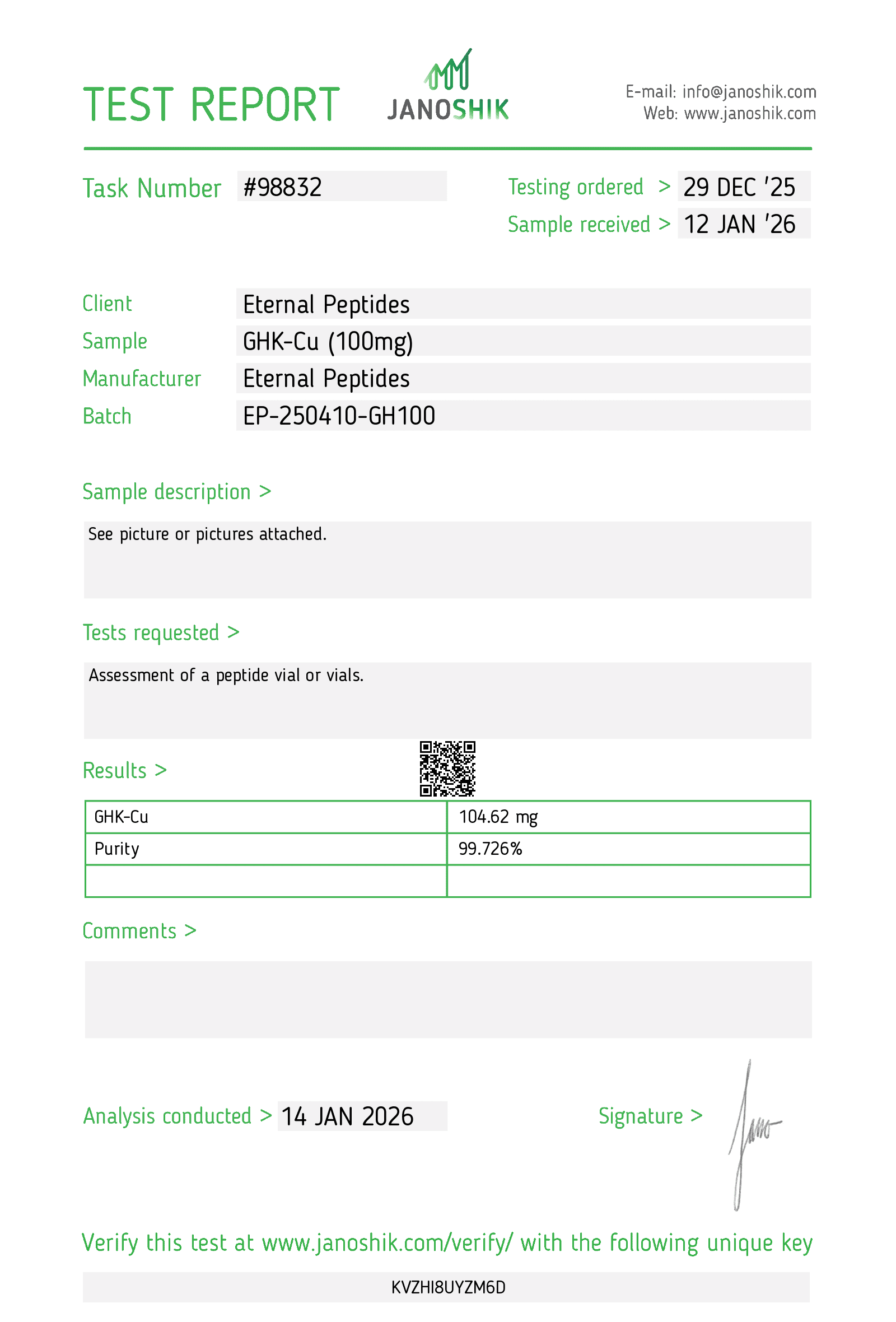
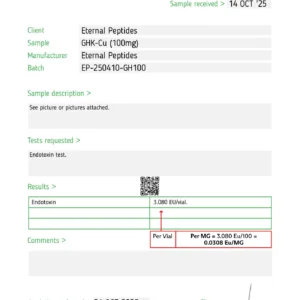
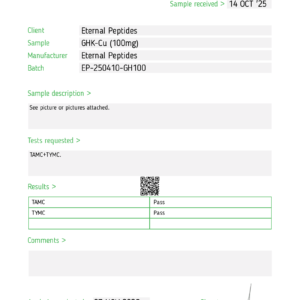
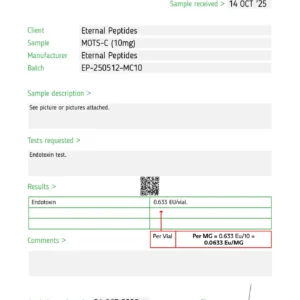
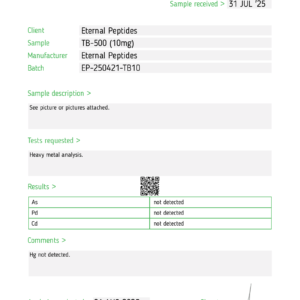
At every step, we prioritize quality by conducting rigorous third-party testing on all our products. These tests focus on five key characteristics- identity, purity, sterility, and endotoxin levels, and heavy metal content-ensuring that each product meets the highest standards of quality with independent third-party Certificates of Analysis (COAS) to verify our commitment to excellence.
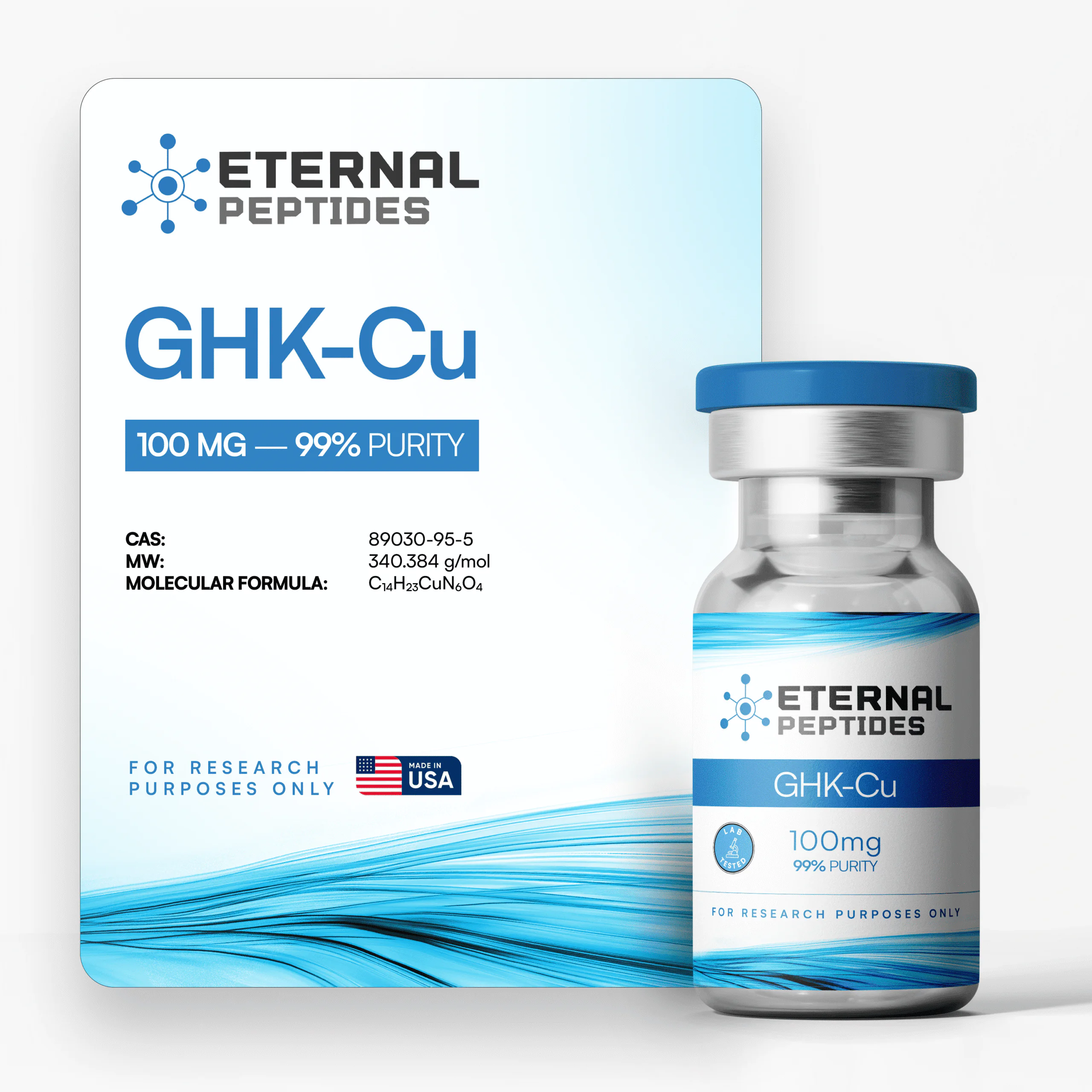
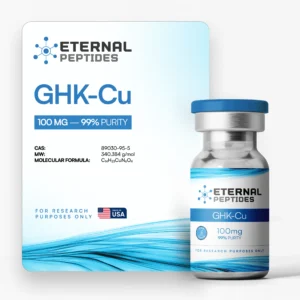
Shop high-purity GHK-Cu 100mg from Eternal Peptides, a trusted U.S. supplier of verified research compounds. This naturally occurring copper-binding tripeptide is manufactured to a purity standard of ≥99%, with every batch independently tested and certified by Janoshik Analytical. GHK-Cu is widely used in research focused on collagen synthesis, extracellular matrix remodeling, and cellular signaling pathways related to hair follicle activity. Order today for fast, secure U.S. shipping and free Priority delivery on all orders over $200.
What Is GHK-Cu?
GHK-Cu (copper tripeptide-1) is a naturally occurring copper-binding peptide composed of three amino acids—glycine, histidine, and lysine—complexed with a copper ion (Cu²⁺). It was first identified in the 1970s in human plasma during research by Dr. Loren Pickart, where it appeared as an endogenous peptide fragment with strong copper affinity.
Structurally, GHK-Cu is classified as a low–molecular weight tripeptide–metal complex rather than a hormone or growth factor analogue.
In scientific literature, GHK-Cu is primarily studied for its roles in cellular signaling, extracellular matrix remodeling, gene expression regulation, and copper homeostasis. Preclinical research has examined its interactions with fibroblasts, keratinocytes, endothelial cells, and neural tissues, with most findings coming from in vitro and animal models rather than large-scale human clinical trials.
A key feature of GHK-Cu is its ability to bind and transport bioavailable copper, which is important in many enzymatic and cellular processes. In laboratory settings, it is valued for its solubility, stability under proper storage conditions, and well-characterized molecular structure, making it suitable for controlled and reproducible research applications.
How GHK-Cu Works (Mechanistic Overview)
GHK-Cu functions as a multifunctional peptide–metal complex that influences multiple biological pathways rather than acting through a single receptor. In experimental models, its activity is associated with copper homeostasis, gene expression modulation, extracellular matrix signaling, and cellular stress regulation.
These mechanisms help explain why GHK-Cu is widely used in studies involving tissue dynamics, cellular adaptation, and regenerative signaling under laboratory conditions.
Copper Transport and Gene Regulation
GHK-Cu binds strongly to Cu²⁺ ions and is thought to act as a regulated copper carrier in biological systems. Preclinical research suggests this copper delivery supports enzymes such as superoxide dismutase and lysyl oxidase, which are involved in antioxidant defense and structural protein formation.
It has also been associated with broad changes in gene expression, including genes linked to collagen production, antioxidant activity, growth factor signaling, and cellular differentiation. This indicates a systems-level regulatory role rather than a single-target effect.
Extracellular Matrix and Cellular Signaling
Research indicates GHK-Cu influences extracellular matrix remodeling, including collagen organization and protease activity. In cell and animal models, it has been associated with changes in inflammatory signaling, angiogenic markers, and cellular resilience under oxidative or metabolic stress.
These effects are understood as coordinated signaling responses rather than direct structural changes.
Inflammation and Stress Response Modulation
Preclinical studies suggest GHK-Cu may modulate inflammatory signaling pathways by altering cytokine expression and immune cell activity. These effects appear to support balanced signaling responses in damaged or stressed tissues in experimental models.
Importantly, this does not indicate immune stimulation or suppression in a clinical sense, but rather regulation of signaling pathways under controlled laboratory conditions.
Angiogenesis and Tissue Remodeling
GHK-Cu has been studied in angiogenesis models where it is associated with changes in endothelial cell activity and vascular signaling. Animal and cell studies suggest involvement in pathways related to new blood vessel formation and tissue repair signaling.
These findings are used to explore how cells coordinate vascular and structural responses during experimental tissue regeneration models.
Gene Expression and Aging Research
Some studies have observed that GHK-Cu can influence gene expression patterns related to cellular repair, stress resistance, and structural maintenance. These findings are often explored in aging-related research models to understand how cells respond to long-term stress and functional decline.
This area of research focuses on molecular changes rather than clinical outcomes, and all interpretations remain within a preclinical framework.
Related Products
Related products
,
,